01
We can also build the line the fibre hangs on
We build distribution networks up to 110 kV. So we are not climbing the tower for the fibre alone, and we know what may and may not be up there.


Optical ground wire on overhead lines, routes across sites, links from substations to the control centre. We build the route and prove with measurements that it is sound.
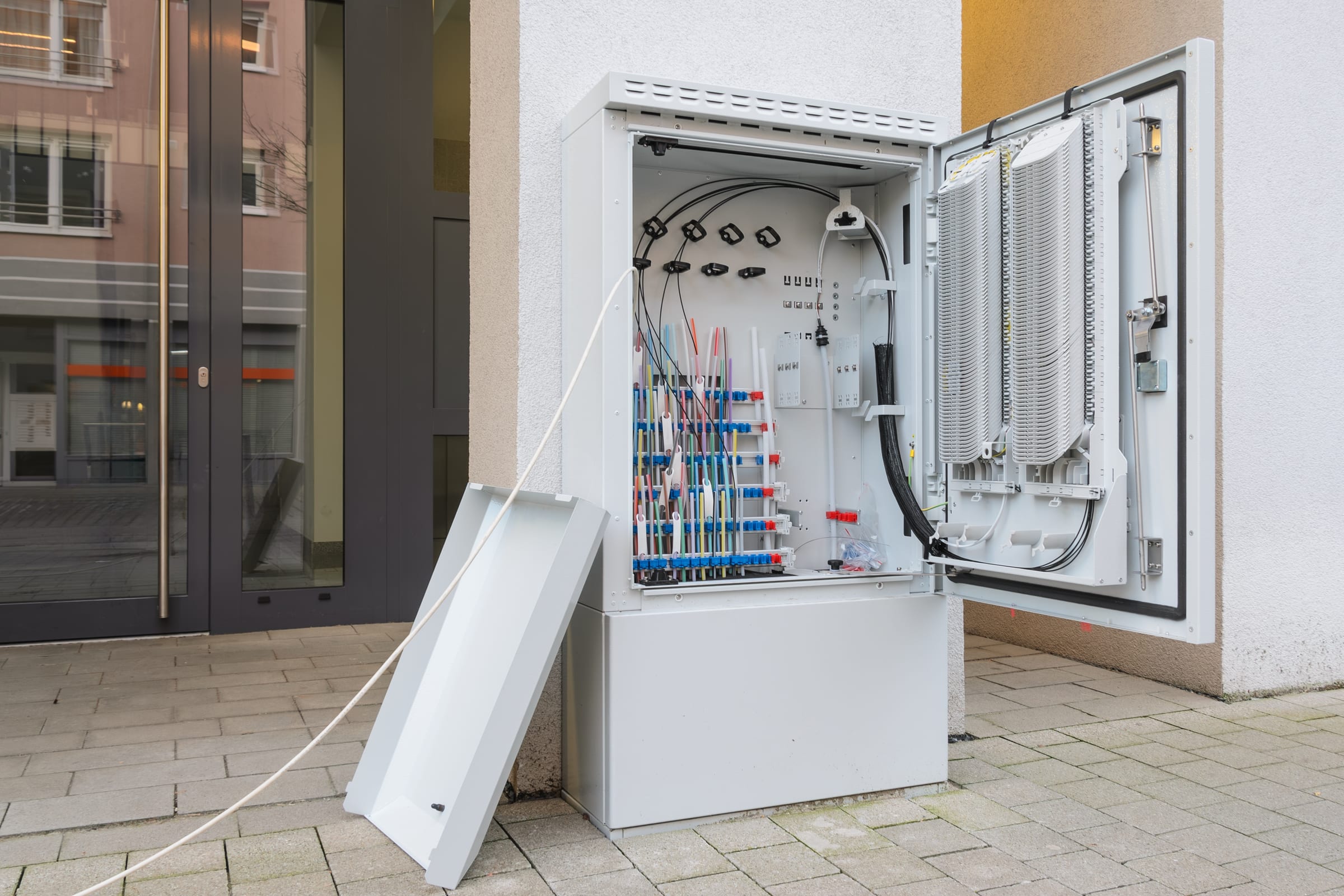

Fibre in the power industry has its own rules — the route runs along live towers, into the cable ducts of a substation, or across a site that is still being built. We do it where we also build the line itself, so there are no two companies to coordinate.
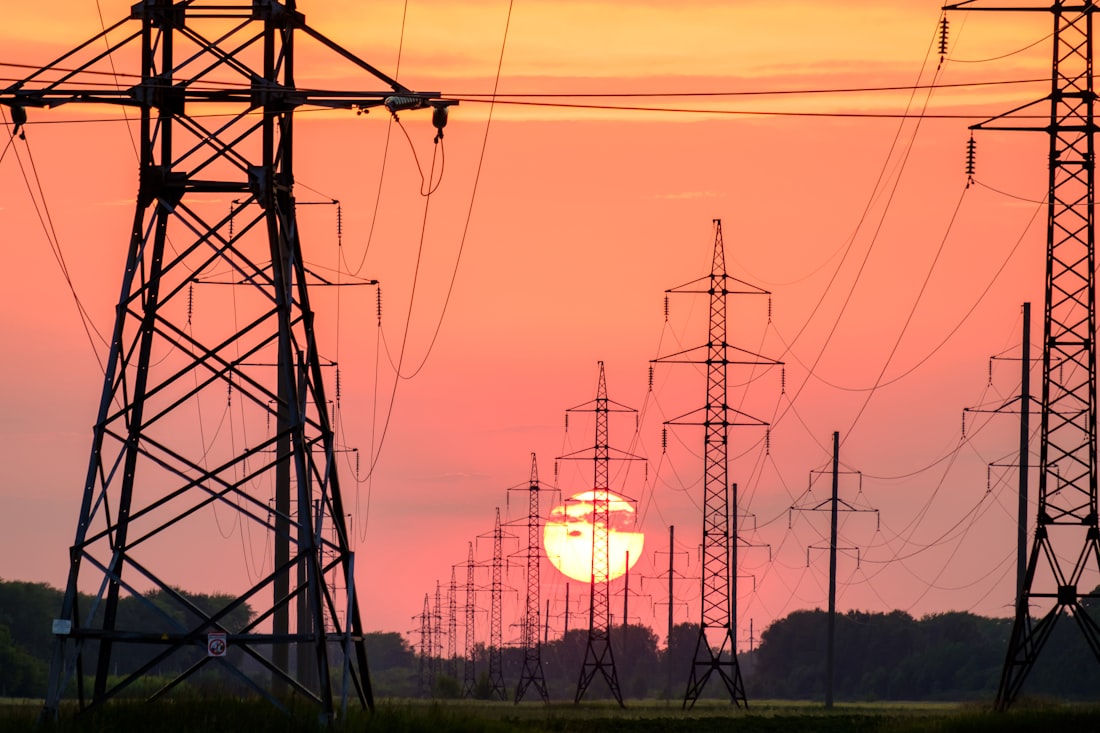
Optical fibre carried along the towers together with the conductors. We string the cable, fit and terminate the joint boxes and bring the route into the substation or transformer station.
Optical joint boxes and optical ground wire diagnostics are part of our maintenance standard — on the lines we look after, we inspect and measure them on a regular cycle.
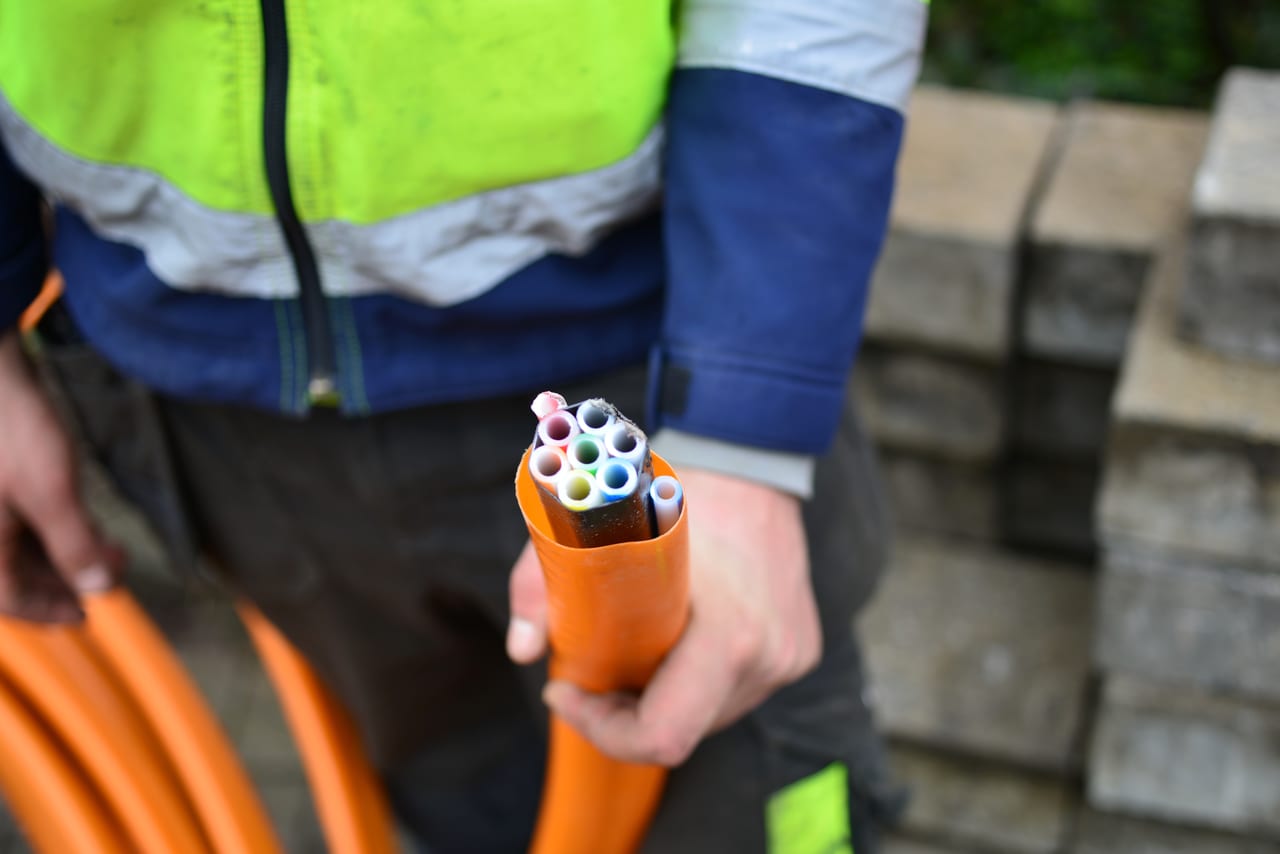
When we build a local distribution system on a new site or development, we lay the fibre ducts in the same trench. That costs less than digging twice.
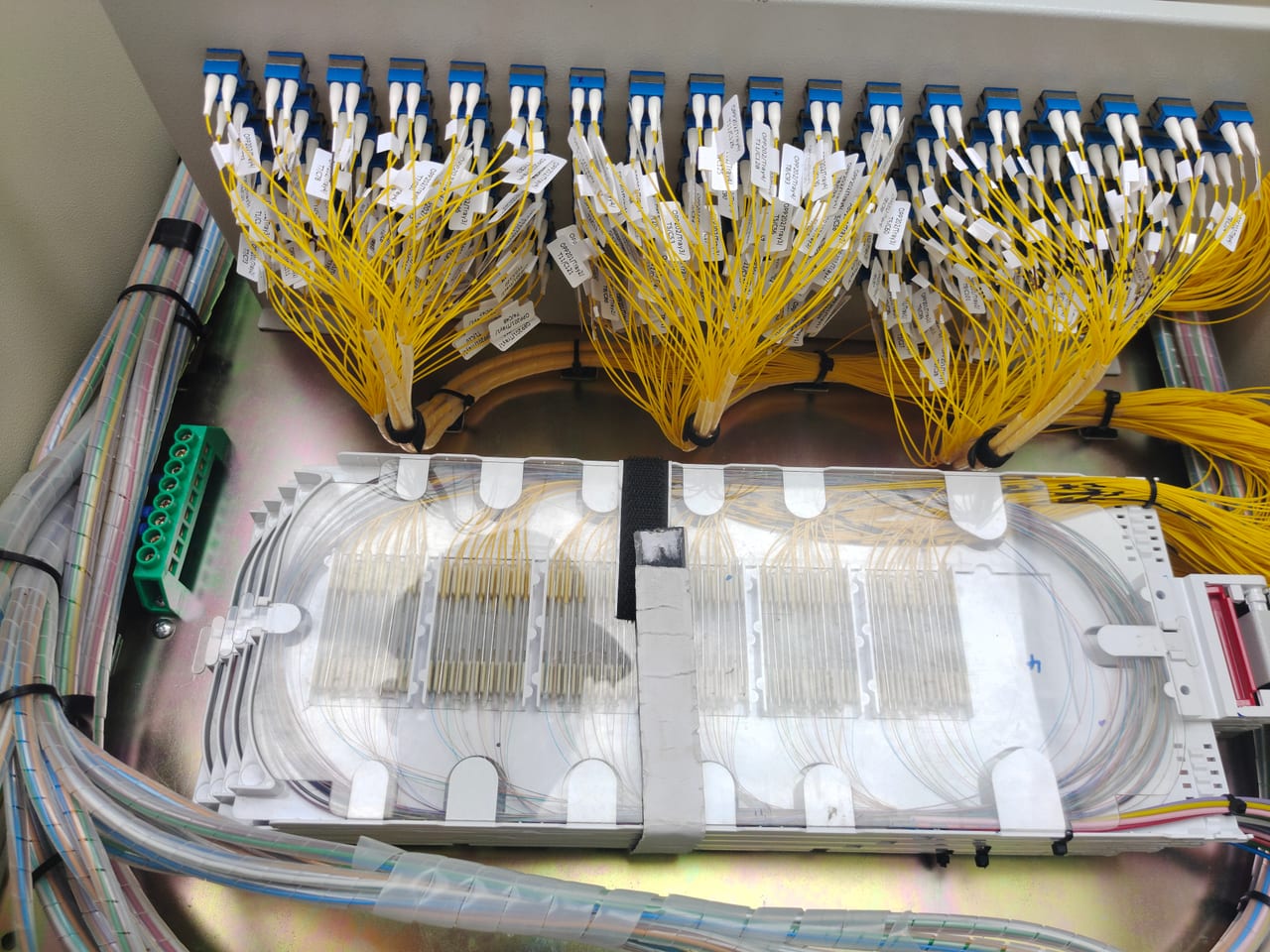
Fibre is how data from the station reaches the control room. We bring the route all the way to the cabinet, terminate it and connect it to the control system.
We do this as part of a substation or switchyard job, or on its own for equipment somebody else built.
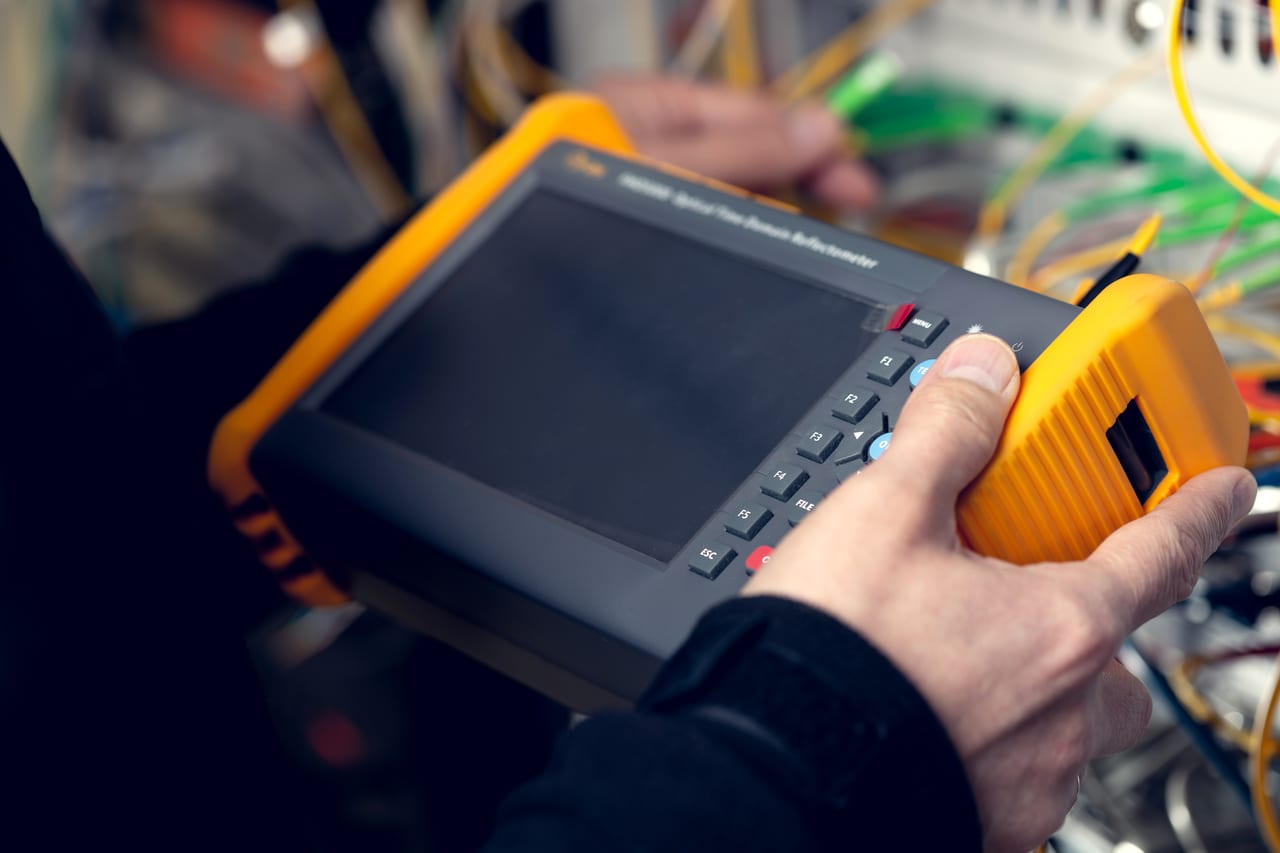
A finished route has to be measured and the result documented. We measure continuity and attenuation, trace where the route is misbehaving and hand over the test report.
We build distribution networks up to 110 kV. So we are not climbing the tower for the fibre alone, and we know what may and may not be up there.
If we are building your distribution system, we lay the fibre ducts at the same time. No second trench and no second company.
We can maintain equipment up to 35 kV using live-line working, so nothing has to be switched off for work on the route.
We respond to faults around the clock — outside working hours, at weekends and on public holidays.
Where the route runs from and to, how many fibres, and what will be connected to it.
We walk the route and check the towers, the access and where it can actually go. This is where most money is saved.
You get a quotation with a clear scope and a delivery date.
Route, splicing, termination — with the site live if that is what it takes.
We measure the route and hand over the test reports and as-built documentation.
Give us a call and we will go through it together — from fibre count to the way it is laid.
Enquiry
Drawings, a route layout or a description of where the fibre should run is enough. If you have none of those, just call.